chatGPT
Events

Let’s paint! 30-minütige Einführung in das KI-Tool DALL-E
Wir stellen in dieser 30-minütigen Online-Schulung DALL-E von Open AI vor: ein KI-Tool, das auf Grundlage von Textbeschreibungen Bilder generieren kann.
Wir sprechen über die Einsatzmöglichkeiten von DALL-E 3, aber auch über die Herausforderungen.
Für die Teilnahme an dieser Schulung werden keine Vorkenntnisse vorausgesetzt.
Mitglieder der staatlichen Hochschulen können kostenlos an den Schulungen des MMKH teilnehmen.
Anmeldung hier
Als virtuellen Lernort werden wir ZOOM nutzen. Der ZOOM-Link wird einen Tag vor Schulungsbeginn bis 13:00 Uhr versendet.
Institution
- Multimedia Kontor Hamburg gGmbH

Lunch Bag Session: KI-Bilderwelten! Einführung in KI-Bildgeneratoren
In dieser Online-Schulung bieten wir einen Überblick über die bekanntesten Text-zu-Bild KI-Generatoren und deren vielfältige Anwendungsmöglichkeiten. Diese 60-minütige Schulung richtet sich an alle Interessierten, unabhängig von Vorkenntnissen, und lädt dazu ein, die faszinierende Welt der künstlichen Intelligenz zu entdecken und zu verstehen, wie sie kreative Prozesse unterstützen kann.
Die Schulung beginnt mit einer kurzen Einführung in die grundlegenden Konzepte von KI-Bildgeneratoren. Es wird gezeigt, wie diese Technologien funktionieren und welche technischen Voraussetzungen notwendig sind. Im Anschluss daran werden die bekanntesten und am weitesten verbreiteten Text-zu-Bild KI-Generatoren (beispielsweise Midjourney, Leonardo.AI, DALL-E) live vorgestellt, einschließlich ihrer spezifischen Funktionen und Anwendungsbereiche.
Für die Teilnahme an dieser Schulung sind keine Vorkenntnisse erforderlich. Alle, die sich für die Möglichkeiten und Herausforderungen der künstlichen Intelligenz interessieren, sind herzlich eingeladen teilzunehmen. Weitere Informationen zu KI-Anwendungen gibt es auch im kostenfreien HOOU-Kurs “KI-Tools kurz erklärt! So verwendest du ChatGPT, Leonardo.AI & Co.”
Melden Sie sich jetzt an und lassen Sie uns gemeinsam die kreativen Potenziale von KI-Bildgeneratoren entdecken.
Diese Online-Veranstaltung ist ein Angebot des Netzwerks Landeseinrichtungen für digitale Hochschullehre (NeL). Die Veranstaltung findet im Rahmen der fortgesetzten Kooperation zum bundesweiten Projekt “Konzertierte Weiterbildungen zu künstlicher Intelligenz in der Hochschullehre” zwischen dem NeL und der Stiftung Innovation in der Hochschullehre (StIL) statt. Die StIL und das NeL stellen wegen des großen Bedarfs an KI-bezogenen Qualifizierungs- und Unterstützungsmaßnahmen vielfältige Angebote zur Verfügung.
Institution
- Multimedia Kontor Hamburg gGmbH (MMKH)
- Netzwerk Landeseinrichtungen für digitale Hochschullehre (NeL)
- Stiftung Innovation in der Hochschullehre (StIL)
Lunch Bag Session: KI-Bilderwelten! Einführung in KI-Bildgeneratoren
In dieser Online-Schulung bieten wir einen Überblick über die bekanntesten Text-zu-Bild KI-Generatoren und deren vielfältige Anwendungsmöglichkeiten. Die 60-minütige Schulung richtet sich an alle Interessierten, unabhängig von Vorkenntnissen, und lädt dazu ein, die faszinierende Welt der Künstlichen Intelligenz (KI) zu entdecken und zu verstehen, wie sie kreative Prozesse unterstützen kann.
Die Schulung beginnt mit einer kurzen Einführung in die grundlegenden Konzepte von KI-Bildgeneratoren. Es wird gezeigt, wie diese Technologien funktionieren und welche technischen Voraussetzungen notwendig sind. Im Anschluss daran werden die bekanntesten und am weitesten verbreiteten Text-zu-Bild KI-Generatoren (beispielsweise Midjourney, Leonardo.AI, DALL-E) live vorgestellt, einschließlich ihrer spezifischen Funktionen und Anwendungsbereiche.
Für die Teilnahme an dieser Schulung sind keine Vorkenntnisse erforderlich. Alle, die sich für die Möglichkeiten und Herausforderungen der Künstlichen Intelligenz interessiert, sind herzlich eingeladen, teilzunehmen. Weitere Informationen zu KI-Anwendungen gibt es auch im kostenfreien HOOU-Kurs “KI-Tools kurz erklärt! So verwendest du ChatGPT, Leonardo.AI & Co.”
Melden Sie sich jetzt an und lassen Sie uns gemeinsam die kreativen Potenziale von KI-Bildgeneratoren entdecken.
Diese Lunch Bag Session wird vom Multimedia Kontor Hamburg (MMKH) in Zusammenarbeit mit der organisiert und durchgeführt. Die Veranstaltung findet im Rahmen der NORDBEAT-Woche statt.
Institution
- Multimedia Kontor Hamburg gGmbH (MMKH)
- Hamburg Open Online University (HOOU)
Lunch Bag Session: KI-Bilderwelten! Einführung in KI-Bildgeneratoren
In dieser Online-Schulung bieten wir einen Überblick über die bekanntesten Text-zu-Bild KI-Generatoren und deren vielfältige Anwendungsmöglichkeiten. Diese 60-minütige Schulung richtet sich an alle Interessierten, unabhängig von Vorkenntnissen, und lädt dazu ein, die faszinierende Welt der künstlichen Intelligenz zu entdecken und zu verstehen, wie sie kreative Prozesse unterstützen kann.
Die Schulung beginnt mit einer kurzen Einführung in die grundlegenden Konzepte von KI-Bildgeneratoren, ihre Chancen und Risiken. Im Anschluss daran werden die bekanntesten und am weitesten verbreiteten Text-zu-Bild KI-Generatoren (beispielsweise Midjourney, Leonardo.Ai, ChatGPT) live vorgestellt, einschließlich ihrer spezifischen Funktionen und Anwendungsbereiche.
Für die Teilnahme an dieser Schulung sind keine Vorkenntnisse erforderlich. Alle, die sich für die Möglichkeiten und Herausforderungen der Künstlichen Intelligenz interessieren, sind herzlich eingeladen teilzunehmen. Weitere Informationen zu KI-Anwendungen gibt es auch im kostenfreien HOOU-Kurs KI-Tools kurz erklärt! So verwendest du ChatGPT, Leonardo.AI & Co.
Institution
- Multimedia Kontor Hamburg gGmbH (MMKH)
- Hamburg Open Online University (HOOU)
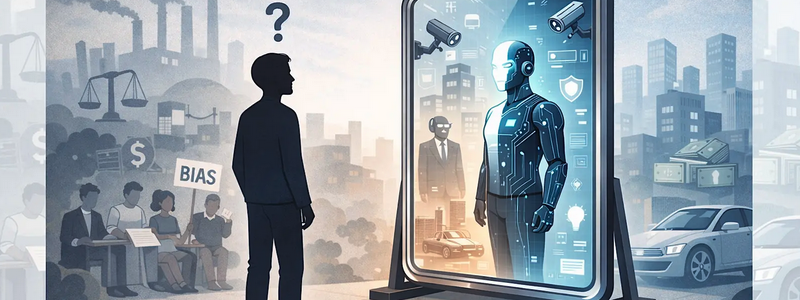
Mehr als ChatGPT: Die wahre Stärke der Künstlichen Intelligenz
Mehr als ChatGPT: Die wahre Stärke der Künstlichen Intelligenz
Mit Studierenden über generative KI sprechen - ein Modell
Laura Laugwitz
Wer mit den Studierenden kritisch über den Einsatz von generativer Künstlicher Intelligenz im Studium und insbesondere der eigenen Lehrveranstaltung ins Gespräch kommen möchte, ist in diesem Workshop richtig. Im ersten Block durchlaufen die Teilnehmenden den vom DL-Büro WiSo entwickelten Input „gKI im Studium“. Teilnehmende lernen spielerisch die Grenzen und Fähigkeiten von gKI, analysieren Fallbeispiele und diskutieren gesellschaftliche Dimensionen der Nutzung. Parallel dazu werden die didaktischen Entscheidungen hinter dem Format transparent gemacht: Warum der spielerische Einstieg? Welche Reaktionen sind typisch, und wie geht man damit um? Im zweiten Block wechseln die Teilnehmenden die Perspektive. Auf Basis der mitgebrachten Materialien passen sie den Input gemeinsam in Kleingruppen an die eigene Lehrveranstaltung und die eigenen Erfahrungen an. Am Ende des Workshops steht ein angepasster Input, den die Lehrenden direkt nutzen können.
Inhalte heir
Institutions
- Hamburger Zentrum für Universitäres Lernen und Lehren (HUL)

Natural Language Processing für Digital Humanities - Grundlagen und neuste Entwicklungen
Verfahren des maschinellen Lernens im Kontext der Sprachverarbeitung sind momentan in aller Munde. Noch ist unklar, wie und wo genau Systeme wie etwa ChatGPT in der Forschung zum Einsatz kommen werden. Schon lange werden jedoch, auch in den Digital Humanities, mit regel-basierten und statistischen Verfahren Texte automatisiert analysiert. Für Forschende bleibt es wichtig ein Verständnis der Methoden zu entwickeln, um so jeweils die passende Technik zur Anwendung zu bringen und dabei insbesondere die Schwächen der Methoden zu berücksichtigen.
In seinem Vortrag beleuchtet Hans Ole Hatzel zunächst die Grundlagen der computergestützten Textverarbeitung und erklärt dabei von Tokens und Types bis hin zu Word Embeddings und Sentiment Analyse unterschiedliche etablierte Techniken. Einige Verfahren werden mit Beispielen aus den Digital Humanities hinterlegt, um neben den Methoden selbst auch zu verdeutlichen, wie sie konkret Anwendung finden. Am Schluss folgt ein Ausblick auf die Verwendung von Large Language Models, der Technologie hinter ChatGPT, in den Digital Humanities.
Referent:in: Hans Ole Hatzel (UHH)
Neue Regeln zur künstlichen Intelligenz (KI): Was bedeutet das für Hochschulen?!
Die KI-Verordnung (KI-VO) ist ein Prestigeprojekt der EU. Es ist zu erwarten, dass das groß angelegte Regulierungsvorhaben die Verbreitung und den Einsatz von künstlicher Intelligenz (KI) in der Union und über ihre Grenzen hinaus erheblich beeinflussen wird.
In diesem Workshop wollen wir die Inhalte der KI-Verordnung, die Bezüge zum Urheber- und Datenschutzrecht, die Bezüge zu OpenData und insbesondere für (öffentliche) Hochschulen relevante Bezüge herausarbeiten.
Die Teilnehmenden sind eingeladen, vorab ggf. eigene Fragen/Fälle vorzubereiten und bei Interesse im Workshop vorzutragen.
Schwerpunkte sind:
- KI-Verordnung bzw. AI-Act (Entwurf)
- DSGVO
- UrhG
Anmeldung hier
Als virtuellen Lernort werden wir ZOOM nutzen. Der ZOOM-Link wird einen Tag vor Schulungsbeginn bis 13:00 Uhr versendet.
Institution
- Multimedia Kontor Hamburg gGmbH

Potenziale ausbauen & Chancen nutzen: Der BITS SPACE der Uni Bielefeld als Beispiel für innovative Workspaces und Kreativräume an Hochschulen
Gastvortrag von Julia Katharina Saatkamp, Abteilungsleitung eLearning.Medien im Bielefelder IT-Servicezentrum (BITS) der Uni Bielefeld
Der BITS SPACE der Uni Bielefeld vereint verschiedene IT- und Medienservices des Bielefelder IT-Servicezentrums (BITS). Er bietet neben unterschiedlichen Medienräumen und Studios zu den Themen Podcast, Videoproduktion, XR und 3D-Druck auch moderne IT-Arbeitsplätze für Studierende sowie eine umfangreich ausgestattete Geräteausleihe.
Der Beitrag liefert einen Einblick in die Konzeption des BITS SPACE als Servicebereich mit dem Anspruch zentrale IT- und Medieninfrastrukturen zukunftsorientiert, nachhaltig und bedarfsgerecht anzubieten. Wir möchten Sie einladen, nach dem Impulsvortrag mit uns in den Austausch zu treten.

Projektdiskussion: ChatGPT & Me: Umfrageergebnisse und Implikationen – Ein Arbeitstreffen
ChatGPT und andere generative KI-Anwendungen haben den Hochschulalltag erreicht und sorgen für Unsicherheit, auch Misstrauen und Sorge. Doch wie wird generative KI tatsächlich von Studierenden eingesetzt? Wie unterscheidet sich das Nutzungsverhalten in verschiedenen Fächern? Was verändert sich dadurch für Lehrende? Im Juli 2023 haben wir im Kontext des Projekts DDLitLab (Digital and Data Literacy in Teaching Lab) eine Online-Umfrage zur Lebensrealität mit ChatGPT an der Universität Hamburg durchgeführt und erste Antworten auf diese Fragen gesammelt.
Wir stellen erste Ergebnisse aus der Umfrage vor, diskutieren diese mit den Teilnehmer:innen und laden dazu ein, die eigenen Erfahrungen aus der Lehrpraxis einzubringen. In diesem Sinne ist der Kolloquiumstermin als „Arbeitstreffen“ konzipiert, um auf der Basis der Umfrage besser zu verstehen, wie Studierenden KI nutzen. Zudem laden wir alle dazu ein, einen Schritt weiter zu denken: Was folgt aus den Ergebnissen, wie sind diese zu deuten und welche Angebote brauchen Studierende und Lehrende, um generative KI verantwortungsvoll einzusetzen?
Das Kolloquium findet online statt und sieht Kleingruppenarbeit in Breakoutsessions vor.
Den Link für die Teilnahme erhalten Sie nach Ihrer Anmeldung, welche bis zum 20. Oktober 2023 erfolgen sollte.
Kontakt
Institutions
- Hamburger Zentrum für Universitäres Lernen und Lehren (HUL)
Prompts für die Lehre entwerfen
Chatbots sind für viele Studierende längst ein selbstverständliches Lernwerkzeug – doch nicht immer führt dies automatisch zu echtem Lernerfolg. In diesem Workshop geht es darum, wie Chatbots so eingesetzt werden können, dass sie das Lernen wirklich unterstützen.
Zu Beginn schärfen wir noch einmal den Blick für Grenzen und Chancen der Technologie. Anschließend beschäftigen wir uns damit, wie Sie die Stärken von Chatbots gezielt in Ihrer Lehre nutzen können. Dafür probieren wir unterschiedliche
Prompt-Beispiele aus und reflektieren die gemachten Erfahrungen. Darauf aufbauend entwickeln Sie eigene, passgenaue Prompts für Ihre Lehrveranstaltung. Am Ende nehmen Sie praxistaugliche Ergebnisse mit, die Sie sofort einsetzen können.
Inhalte:
• Grenzen und Chancen bei der Nutzung von Chatbots verstehen
• Stärken von Chatbots gezielt für den Lernprozess nutzen
• Praktische Prompt-Beispiele ausprobieren und reflektieren
• Prompts für die eigene Lehrveranstaltung entwerfen
Institutions
- Hamburger Zentrum für Universitäres Lernen und Lehren (HUL)

Public Lecture Series: Taming the Machines. A Fallibilist Approach to AI Value Alignment
This lecture series invites viewpoints from different relevant disciplines to explore how we can preserve and advance human values through the development and use of AI technologies. Key questions include: How does AI impact our fundamental social, political, and economic structures? What does it mean to lead a meaningful life in the AI age? What design and regulatory decisions should we make to ensure digital transformations are fair and sustainable?
Prof. Dr. Ibo van de Poel, Delft University of Technology, NL
Value alignment is important to ensure that AI systems remain aligned with human intentions, preferences, and values. It has been suggested that it can best be achieved by building AI systems that can track preferences or values in real-time. In my talk, I argue against this idea of real-time value alignment. First, I show that the value alignment problem is not unique to AI, but applies to any technology, thus opening up alternative strategies for attaining value alignment. Next, I argue that due to uncertainty about appropriate alignment goals, real-time value alignment may lead to harmful optimization and therefore will likely do more harm than good. Instead, it is better to base value alignment on a fallibilist epistemology, which assumes that complete certainty about the proper target of value alignment is and will remain impossible. Three alternative principles for AI value alignment are proposed: 1) adopt a fallibilist epistemology regarding the target of value alignment; 2) focus on preventing serious misalignments rather than aiming for perfect alignment; 3) retain AI systems under human control even if it comes at the cost of full value alignment.
Institutions
- UHH
Public Lecture Series: Taming the Machines. About 'The Human' in Artificial Intelligence
For better or worse, the revolutionary potential of AI has reached public consciousness, with a growing recognition of the ways that AI might change how we live and work together. Indeed, the fabric of society is already changing in front of our very eyes, with powerful profiteers of AI rallying behind its supposed inevitability. The AI revolution is afoot and it seems as if there is nothing that we can do about it. However, Donald Trump’s emerging alliance with Silicon Valley’s “Magnificent Seven” provides a potent reason for pause and for sustained reflection on the path we are collectively treading.
To discuss how AI, like any other technology, is part of a societal process of struggle, negotiation, and cooperation, this lecture series brings together experts from philosophy, law, and cognitive science. How are technologies like AI grounded in social processes of knowledge production, design, and innovation? What is the environmental impact of AI systems and what ecological responsibilities fall to providers, politicians, and users? What is the human rights impact of AI technologies deployed in military and security contexts? And what, to speak with Nietzsche, renders AI ‘all too human’ after all?
Join us at our “Taming the Machine” lecture series this summer term to explore with our distinguished guests these and other related questions. To get the latest updates and details how to attend the lectures, please visit http://uhh.de/inf-eit.
Institutions
- UHH
Public Lecture Series: Taming the Machines. AI and the Future of Work
This lecture series invites viewpoints from different relevant disciplines to explore how we can preserve and advance human values through the development and use of AI technologies. Key questions include: How does AI impact our fundamental social, political, and economic structures? What does it mean to lead a meaningful life in the AI age? What design and regulatory decisions should we make to ensure digital transformations are fair and sustainable?
Prof. Dr. Kate Vredenburgh, London School of Economics, GB
Current AI regulation in the EU and globally focus on trustworthiness and accountability, as seen in the AI Act and AI Liability instruments. Yet, they overlook a critical aspect: environmental sustainability. This talk addresses this gap by examining the ICT sector's significant environmental impact. AI technologies, particularly generative models like GPT-4, contribute substantially to global greenhouse gas emissions and water consumption.
The talk assesses how existing and proposed regulations, including EU environmental laws and the GDPR, can be adapted to prioritize sustainability. It advocates for a comprehensive approach to sustainable AI regulation, beyond mere transparency mechanisms for disclosing AI systems' environmental footprint, as proposed in the EU AI Act. The regulatory toolkit must include co-regulation, sustainability-by-design principles, data usage restrictions, and consumption limits, potentially integrating AI into the EU Emissions Trading Scheme. This multidimensional strategy offers a blueprint that can be adapted to other high-emission technologies and infrastructures, such as block chain, the meta-verse, or data centers. Arguably, it is crucial for tackling the twin key transformations of our society: digitization and climate change mitigation.
Institutions
- UHH
Public Lecture Series: Taming the Machines. AI, Art and Authorship. Perspectives From Ethics and Aesthetics
Institutions
- UHH
Public Lecture Series: Taming the Machines. AI, Explainability and Epistemic Dependence
About the lecture: tbd
About the speaker
Jocelyn Maclure is Full Professor of Philosophy and Jarislwosky Chair in Human Nature and Technology at McGill University. His current work addresses various topics in the philosophy of artificial intelligence and in social epistemology. In 2023, he was Mercator Visiting Professor for AI in the Human Context at the University of Bonn. His recent articles appeared in journals such as Minds & Machines, AI & Ethics, AI & Society and Digital Society. He was the president of the Quebec Ethics in Science and Technology Commission—and advisory body of the Quebec Government—from 2017 to 2024. Before turning his attention to the philosophy of AI, he published extensively in moral and political philosophy, including, with Charles Taylor, Secularism and Freedom of Conscience (Harvard University Press (2011). He was elected to the Royal Society of Canada in 2023.
The talk explores the question of whether Artificial Intelligence (AI) can truly create art, or if there is an essential “human factor” in art production. Against the background of AI’s growing capabilities, traditional concepts in art theory like authorship are reconsidered. It is argued that authorship is a necessary condition for art, while aesthetic responsibility is at least a necessary condition for authorship of artworks. Although AI can function as an aesthetic agent, it cannot bear aesthetic responsibility. Therefore, it can neither on its own nor in cooperation with humans be the author of artworks. However, AI is able to produce objects that are in their manifest properties indistinguishable from works of art, I will speak of “fake art.” It will be shown to what extent the massive occurrence of AI-generated fake art has a detrimental effect on art practice.Institutions
- UHH
Public Lecture Series: Taming the Machines. AI, Human Rights and the Surveillance State
For better or worse, the revolutionary potential of AI has reached public consciousness, with a growing recognition of the ways that AI might change how we live and work together. Indeed, the fabric of society is already changing in front of our very eyes, with powerful profiteers of AI rallying behind its supposed inevitability. The AI revolution is afoot and it seems as if there is nothing that we can do about it. However, Donald Trump’s emerging alliance with Silicon Valley’s “Magnificent Seven” provides a potent reason for pause and for sustained reflection on the path we are collectively treading.
To discuss how AI, like any other technology, is part of a societal process of struggle, negotiation, and cooperation, this lecture series brings together experts from philosophy, law, and cognitive science. How are technologies like AI grounded in social processes of knowledge production, design, and innovation? What is the environmental impact of AI systems and what ecological responsibilities fall to providers, politicians, and users? What is the human rights impact of AI technologies deployed in military and security contexts? And what, to speak with Nietzsche, renders AI ‘all too human’ after all?
Join us at our “Taming the Machine” lecture series this summer term to explore with our distinguished guests these and other related questions. To get the latest updates and details how to attend the lectures, please visit http://uhh.de/inf-eit.
Institutions
- UHH
Public Lecture Series: Taming the Machines. Creativity & AI
For better or worse, the revolutionary potential of AI has reached public consciousness, with a growing recognition of the ways that AI might change how we live and work together. Indeed, the fabric of society is already changing in front of our very eyes, with powerful profiteers of AI rallying behind its supposed inevitability. The AI revolution is afoot and it seems as if there is nothing that we can do about it. However, Donald Trump’s emerging alliance with Silicon Valley’s “Magnificent Seven” provides a potent reason for pause and for sustained reflection on the path we are collectively treading.
To discuss how AI, like any other technology, is part of a societal process of struggle, negotiation, and cooperation, this lecture series brings together experts from philosophy, law, and cognitive science. How are technologies like AI grounded in social processes of knowledge production, design, and innovation? What is the environmental impact of AI systems and what ecological responsibilities fall to providers, politicians, and users? What is the human rights impact of AI technologies deployed in military and security contexts? And what, to speak with Nietzsche, renders AI ‘all too human’ after all?
Join us at our “Taming the Machine” lecture series this summer term to explore with our distinguished guests these and other related questions. To get the latest updates and details how to attend the lectures, please visit http://uhh.de/inf-eit.
Institutions
- UHH
Public Lecture Series: Taming the Machines. Frontier AI Regulation: from Trustworthiness to Sustainability
This lecture series invites viewpoints from different relevant disciplines to explore how we can preserve and advance human values through the development and use of AI technologies. Key questions include: How does AI impact our fundamental social, political, and economic structures? What does it mean to lead a meaningful life in the AI age? What design and regulatory decisions should we make to ensure digital transformations are fair and sustainable?
Prof. Dr. Philipp Hacker, European University Viadrina, Frankfurt (Oder), DE
Current AI regulation in the EU and globally focus on trustworthiness and accountability, as seen in the AI Act and AI Liability instruments. Yet, they overlook a critical aspect: environmental sustainability. This talk addresses this gap by examining the ICT sector's significant environmental impact. AI technologies, particularly generative models like GPT-4, contribute substantially to global greenhouse gas emissions and water consumption.
The talk assesses how existing and proposed regulations, including EU environmental laws and the GDPR, can be adapted to prioritize sustainability. It advocates for a comprehensive approach to sustainable AI regulation, beyond mere transparency mechanisms for disclosing AI systems' environmental footprint, as proposed in the EU AI Act. The regulatory toolkit must include co-regulation, sustainability-by-design principles, data usage restrictions, and consumption limits, potentially integrating AI into the EU Emissions Trading Scheme. This multidimensional strategy offers a blueprint that can be adapted to other high-emission technologies and infrastructures, such as block chain, the meta-verse, or data centers. Arguably, it is crucial for tackling the twin key transformations of our society: digitization and climate change mitigation.
Institutions
- UHH

Universität Hamburg
Adeline Scharfenberg